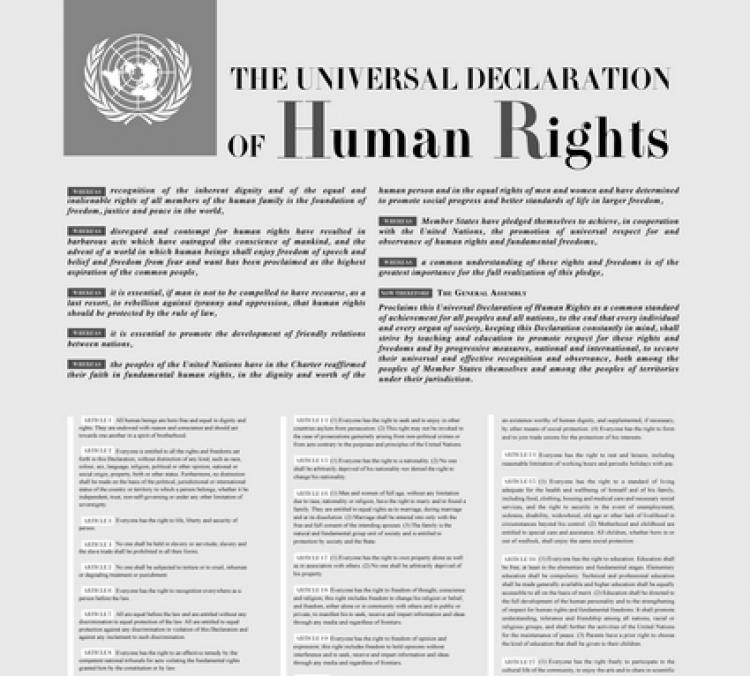
UN Human Rights Declaration 1948. Source: ICORN.
The most important document in the history of Human Rights, the Declaration was proclaimed in Paris on December 10, 1948, through United Nations General Assembly Resolution 217A. The declaration establishes fundamental human rights that must be universally protected. It has been translated into more than 500 languages.
.jpg&Size=320)
Source: Shape.nato.int
NATO was born out of Article 5 of the North Atlantic Treaty, in which it was stated that “An armed attack against one or more member countries will be considered an aggression against all.”
North Atlantic Treaty Organization or “Atlantic Pact” consist in a mutual defense alliance, formed in response to Soviet aggression in Europe. The initial members included Belgium, Canada, Denmark, France, Great Britain, Iceland, Italy, Luxemburg, Netherlands, Norway, Portugal and United States.
Source: Wikipedia
“Today…a new chapter in the varied history of our people commences: Today, after the signing and declaration of the Basic Law, the Federal Republic of Germany will enter history.”
Officially constituted as the Federal Republic of Germany, on 23 May 1949 it was created through the proclamation by the President of the Parliamentary Council, Dr. Konrad Adenauer, of “the basic law”.

In response to the creation of the new Federal Republic of Germany, the German Democratic Republic was proclaimed by Herr Wilhelm Pieck, co-chairman of the Socialist Unity party, after the members of the Soviet zone People’s Council had reconstituted themselves the “Volkskammer”, or Lower House of Parliament. Its first Prime Minister was Otto Grotewohl.
Know more at Bundestag.de
Know more at Deutsche Welle

Adopted by the Council of Europe on 4 November 1950, the Convention entered into force in 1953. To allow control of effective respect for human rights, the Convention established the European Court of Human Rights and the Committee of Ministers of the Council of Europe.
Know more at ECHR
Read the Convention
 Source: Harry Ransom Center
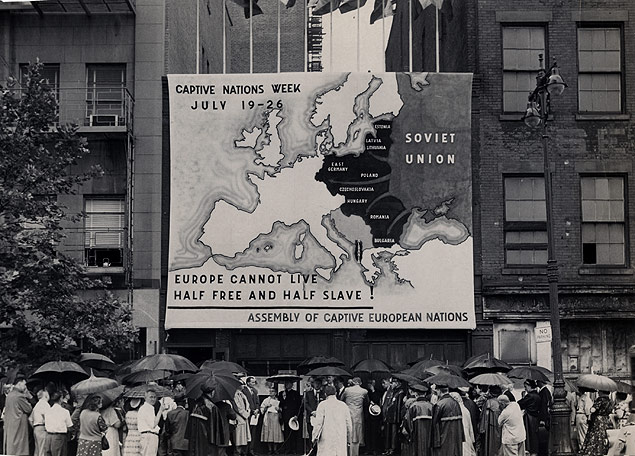
Founded on 20 September 1954, the association consisted of former government and cultural leaders from Albania, Bulgaria, Czechoslovakia, Estonia, Hungary, Latvia, Lithuania, Poland and Romania. Its objectives were to provide for the liberation of the communist dictatorship by peaceful means, to educate public opinion about the real situation behind the Iron Curtain and to mobilize the cooperation and assistance of governmental and non-governmental institutions.

The representatives from twenty-nine governments of Asian and African nations gathered in Bandung, Indonesia to discuss peace and the role of the Third World in the Cold War, economic development, and decolonization.
The core principles of the Bandung Conference were political self-determination, mutual respect for sovereignty, non-aggression, non-interference in internal affairs, and equality. These issues were of central importance to all participants in the conference, most of which had recently emerged from colonial rule. The Conference were the precursor of the Foundation of the Non-Aligned Movement in 1961.
Know more at state.gov
Know more at theconversation.com

In direct response to the formation of NATO, the Soviet Union created a formal military alliance, the Warsaw Pact. Members included East Germany, Poland, Czechoslovakia, Hungary, Romania and Bulgaria.
“On the event of armed attack in Europe on one or more of the Parties (…) each of the Parties to the Treaty shall immediately (…) come to the assistance of the state or states attacked”
Know more at NATO
Know more at RAF Museum

Created in April 1957 in the United States, the National Committee for a Sane Nuclear Policy (SANE) emerged of a meeting of pacifists and anti-nuclear activists in the battle for disarmament.
Know more at Stanford
Know more at The Atlantic

Source: Wikipedia
Based in Strasbourg, the European Court of Human Rights is an international court established by the European Convention on Human Rights. The court controls situations of violation of human, civil and political rights.
Source: Amnesty International USA
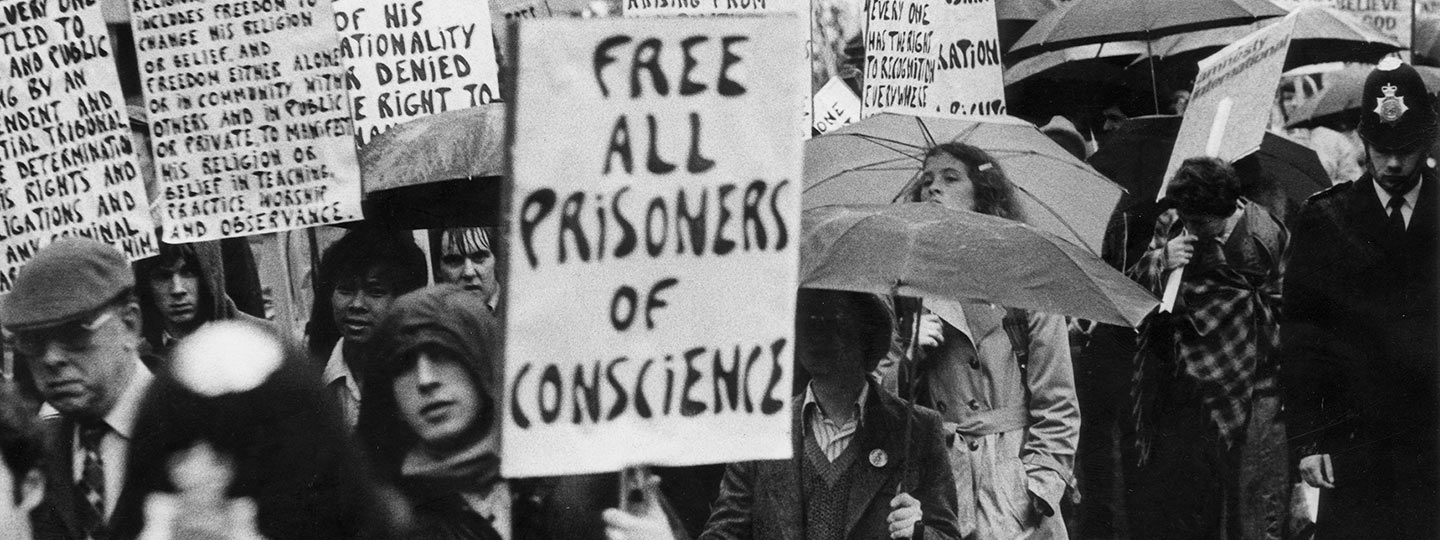
Founded in London in 1961, the organization’s aim is to prevent human rights abuses and to demand justice for those whose rights have been violated.
The article, published on “The Observer” on the 28th of May 1968 was a foundational moment for the organization and an impulse for the international human rights movement.
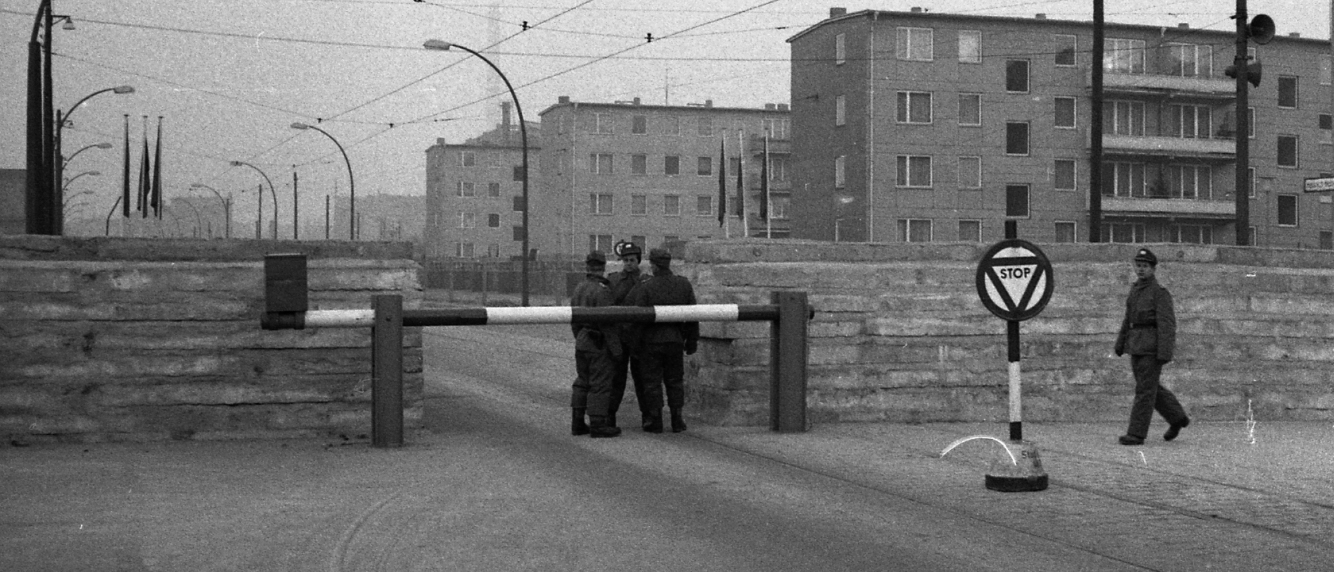
Walter Ulbricht ordered the East Berlin police and security forces to start building a wall, which would divide the city of Berlin in two parts and prevent contact between the people on the eastern side and those who lived on the western side.

The leaders of the so-called Third World defined a neutral position, choosing not to associate themselves with any of the major blocs, Soviet or American. The Movement focuses on national struggles for independence, the fight against poverty, economic development and opposition to colonialism, imperialism and neocolonialism.
Know more at rosalux.de
Know more at nti.org

The European Social Charter guarantees fundamental social and economic rights, such as health, education, labor rights, full employment, reduced working hours, equal pay for equal, social work, rights of migrant workers and people with disabilities. It became effective on 26 February 1965.
Know more at coe.int

During the 20th session, from 17 to 18 March 1964, the United Nations Human Rights Commission considered the decision of the 18th session of the United Nations General Assembly to proclaim the 1968 as the International Year of Human Rights to draw attention to the state of human rights worldwide.
Know more at UNESCO

The Prague spring was a period of political liberalization and mass protest in Czechoslovakia. It started on 5 January 1968, when reformer Alexander Dubček was elected First Secretary of the Czechoslovak Communist Party.
Dubček sought to grant additional rights to the citizens of Czechoslovakia, to decentralize the economy and to promote democratization.
Know more at RFERL
Know more at Guardian
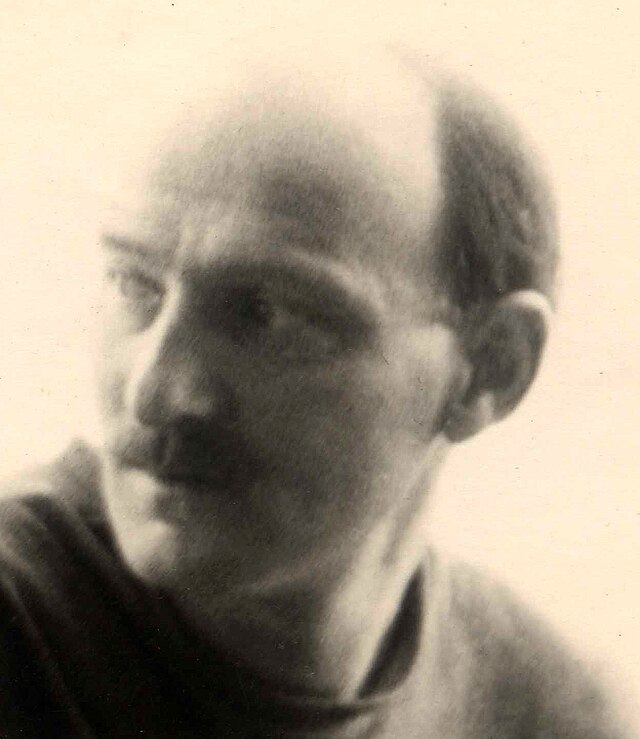 Source: Wikiwand
Founded in 1969s, it functioned for over six years as a public platform for Soviet dissidents concerned with violations of human rights in the Soviet Union.

The Treaty on the Non-Proliferation of Nuclear Weapons is an agreement signed in 1968, to limit the nuclear armament of five countries, the United States, Russia, the United Kingdom, France and China, which were obliged not to transfer arms to the so-called “non-nuclear countries”, nor assist them in obtaining them. China and France only ratified the treaty in 1992. The treaty entered into force on 5 March 1970.
Know more at state.gov
Know more at nti.org
Know more at UN

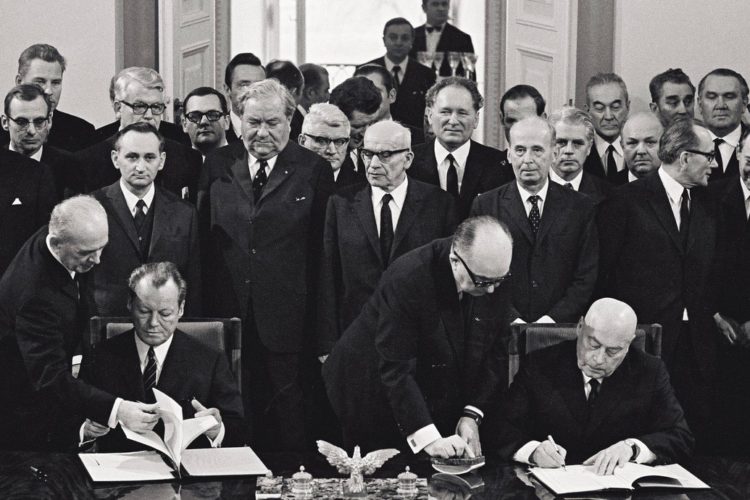
The Treaty between West Germany and the Soviet Union, signed in Moscow on 12 August 1970, launched German policies-à-vis Eastern Europe (Ostpolitik), paving the way for the normalization of diplomatic relations and confirming the peaceful territorial status quo between the Soviet Union and the Federal Republic of Germany.
Know more at Willy Brandt Foundation

Founded in 1970 by dissidents Valery Chalidze, Andrei Sakharov and Andrei Tverdokhlebov, The Human Rights Committee of the USSR was opposed to Soviet nuclear testing plans and advocated ensuring respect for human rights.

Treaty between West Germany and the People’s Republic of Poland, signed by Chancellor Willy Brandt and Prime Minister Józef Cyrankiewicz on 7 December 1970. It was ratified by West Germany on 17 May 1972.
Poland was concerned that a German government might seek to reclaim some of the former eastern territories. In the treaty, both sides committed themselves to nonviolence and accepted the existing border, imposed on Germany by the Allied powers at the 1945 Potsdam Conference.
Know more at Willy Brandt Foundation
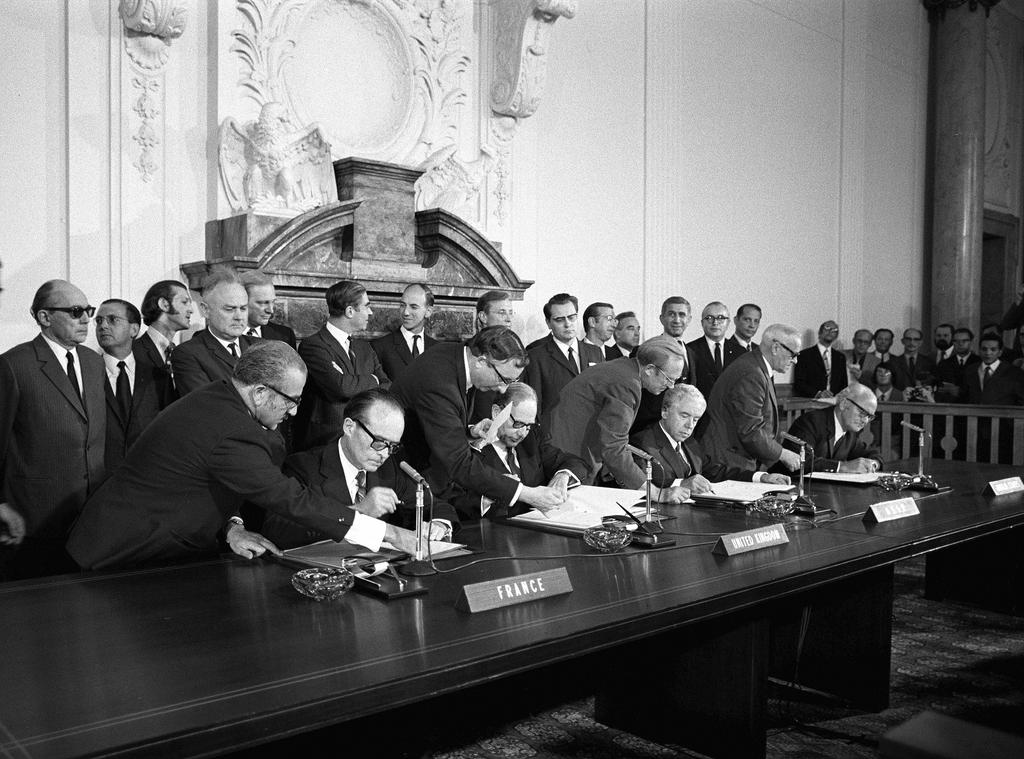
Source: Press and Information Office of the Federal Government of Germany
The Four Power Agreement on Berlin was agreed on 3 September 1971 by the four wartime Allied powers, represented foreign ministers, Alec Douglas-Home of the United Kingdom, Andrei Gromyko of the Soviet Union, Maurice Schumann of France, and William P. Rogers of the United States. This agreement helped to significantly reduce tensions between the East and West over the issue of Berlin. The agreement into force on 3 June 1972.
Independent international organization devoted to the protection and advancement of human rights and scientific freedom.
During the 1970s and 1980s the organization provided help to dissident scientists and scholars from the Soviet Union and Societ bloc countries.
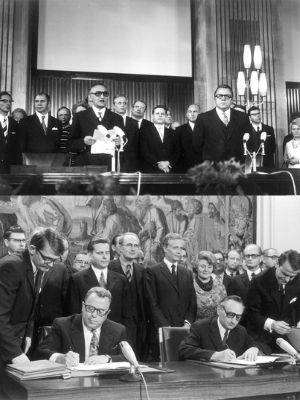
The Basic Treaty established the basis for the relations between the Federal Republic of Germany and the German Democratic Republic. It recognized both as sovereign states for the first time. In favor of “Ostpolitik” of Chancellor Willy Brandt, the treaty was signed on 21 December 1972 in East Berlin. It was ratified the following year by West Germany. It came into effect in June 1973.
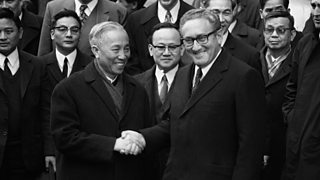
The Paris Peace Accords were signed on January 27 1973, by the governments of the Democratic Republic of Vietnam (North Vietnam), the Republic of Vietnam (South Vietnam), the United States and the Provisional Revolutionary Government. The agreement established peace by ending the Vietnam War (which had lasted since 1955) and ended the direct intervention of the United States Armed Forces in the country.
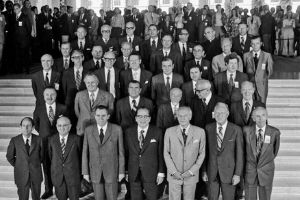
Foreign Ministers at the Conference on Security and Cooperation in Helsinki. Source: OSCE/ Bundesarchiv
Foreign Ministers of 33 European countries opened the Conference on Security and Cooperation in Europe. This conference aimed to discuss issues of security, politics, economics and mutual defense.
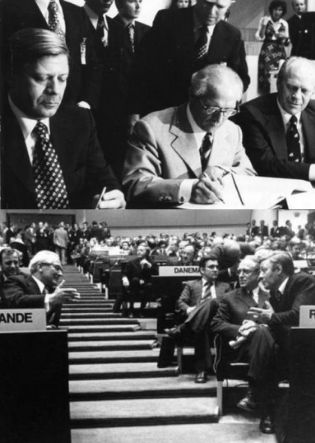
The Helsinki Agreements were a significant step in reducing tensions in the Cold War. Among its main points are the inviolability of national borders; respect for territorial integrity; human rights and the defense of cooperation between States.
“Reaffirming their objective of promoting better relations among themselves and ensuring conditions in which their people can live in true and lasting peace free from any threat to or attempt against their security.”
The Human Rights Committee is the body of independent experts that monitors the implementation of the International Covenant on Civil and Political Rights by its state members. States are required to submit regular reports to the Committee on how rights are being implemented.

The Moscow Helsinki Group was created to monitor Soviet compliance with the Helsinki Accords and to report to the West on Soviet human rights abuses.
_original.JPG)
A hunger strike organised in the Holy Cross Church in Warsaw by Worker´s Defence Committee memebers. October, 1979.
Polish group created to help prisoners and their families after the June 1976 protests and government repression. Founded by Antoni Macierewicz.
Founded on November 9, 1976 to promote the implementation of the Helsinki Accords on Human Rights and to monitor human rights in Ukraine. The group was active until 1981 when all members were in jail.